
Blume & Hall Fashion Academy
B&H / Classes
Welcome to B&H’s class registration portal!
Before registering for a class, please review our Admissions page to see our required guidelines and policies.
Our Classes
This is an 15-course program including the 1 prerequisite of Basic Tailoring. The program takes students through all aspects of planning and creating timeless fashions. Each course lasts 8 weeks with students attending classes once a week for 5 hours. Classes are offered Tuesday through Saturday. Training includes creating all types of flat pattern making and body draping as well as creating many styles of fully tailored garments from casual, business, and formal. Each class must be taken in the order listed below.
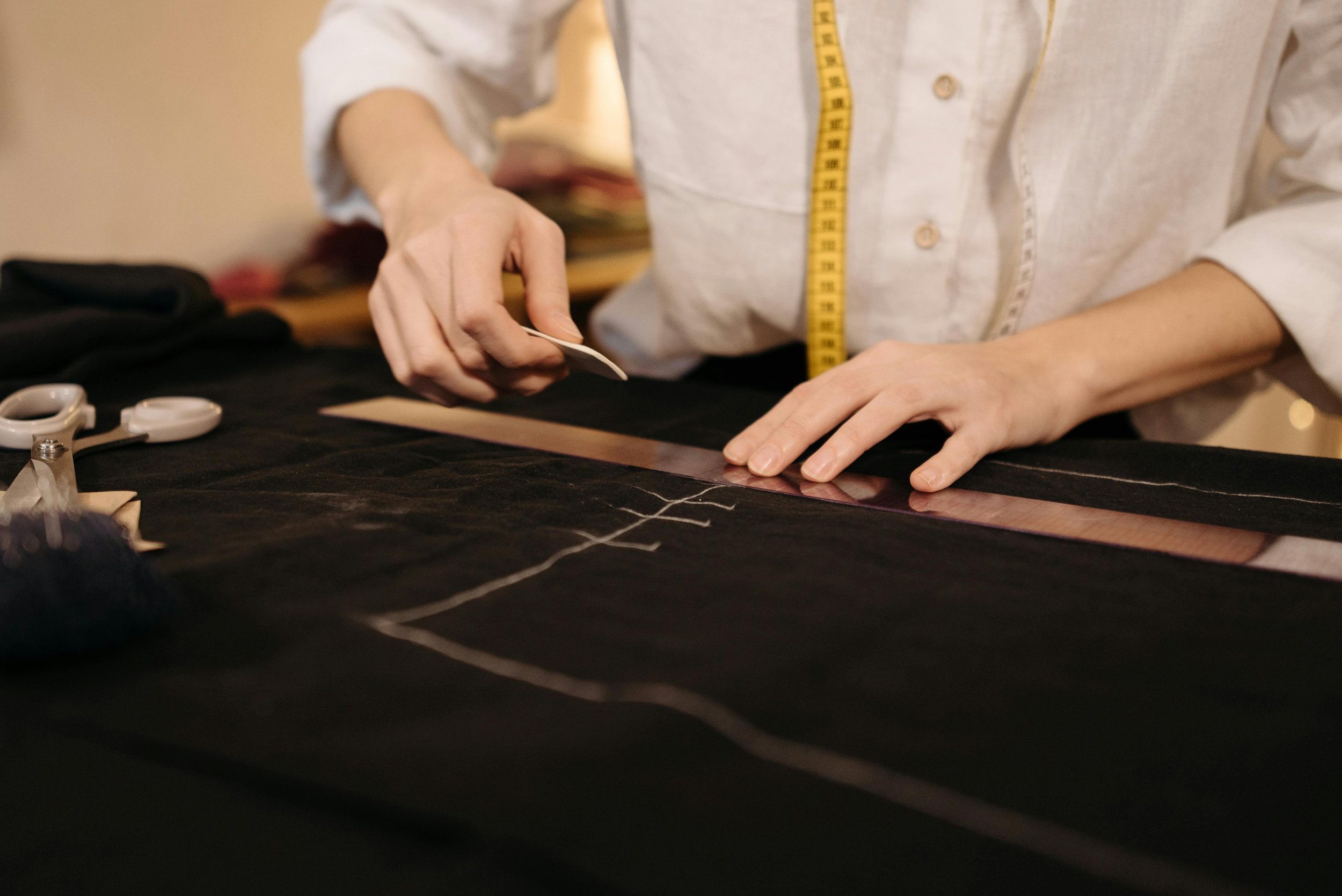
Basic Tailoring is a prerequisite for the Fashion Study Program
Students will develop and show basic sewing and tailoring techniques needed to succeed in their following courses. Such as different methods of hemming, waistbands, zippers, different darts, measurements, and other techniques.
Basic Tailoring
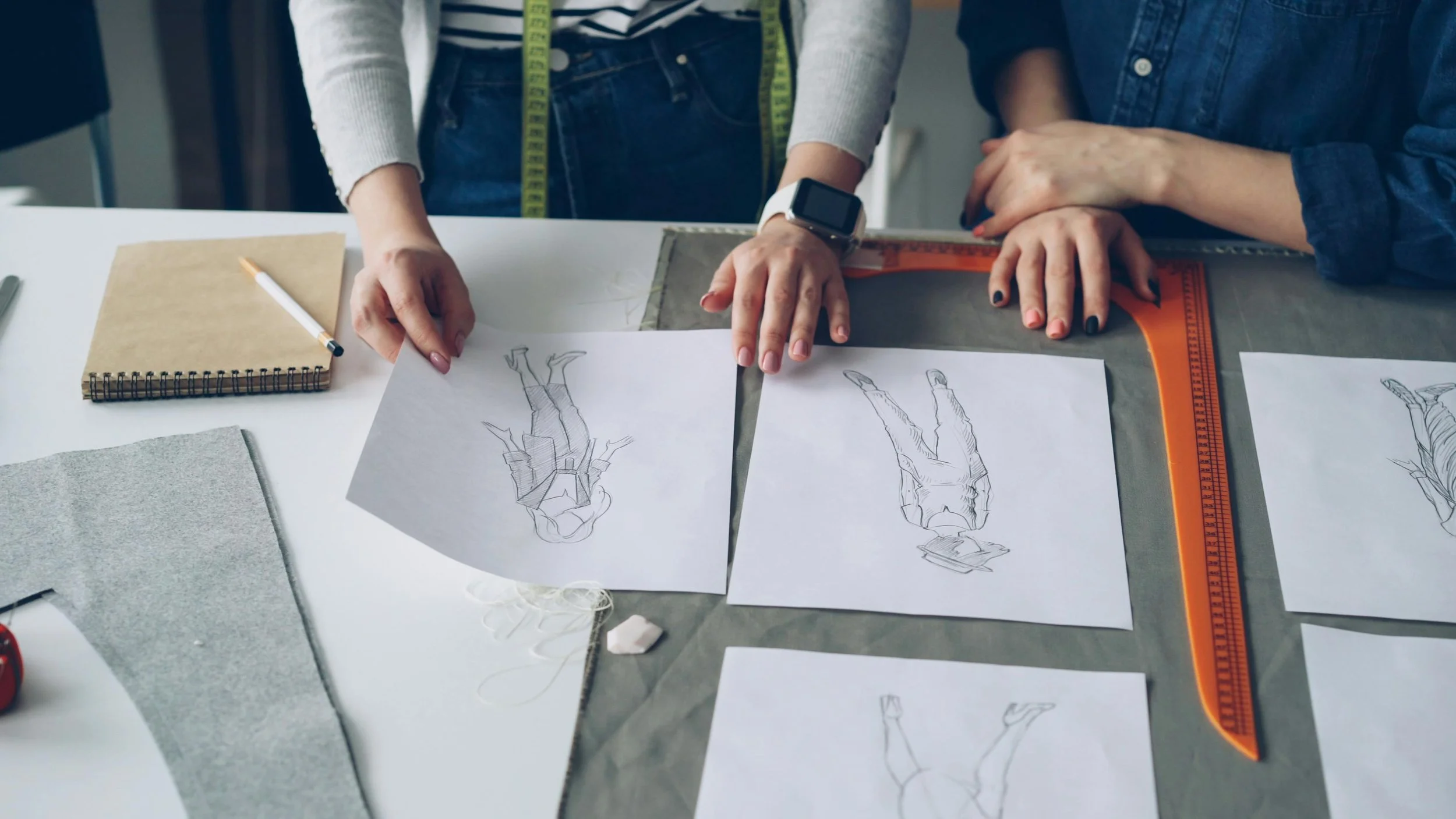
Basic Design is a prerequisite for Intermediate Design
Students will create designs and patterns. During this course, the student will design patterns for skirts and will make doll- size example skirts.
Basic Design
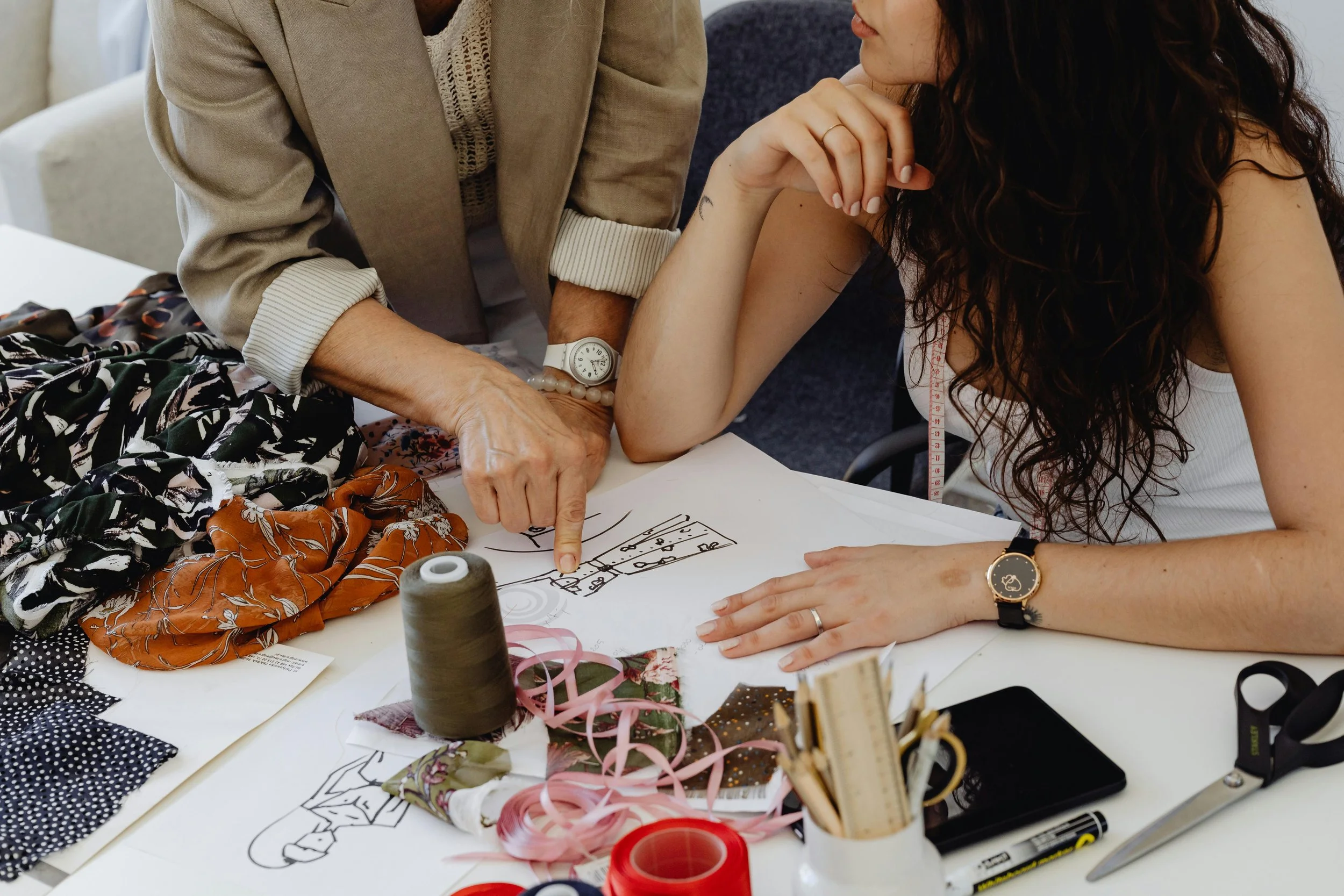
Intermediate Design is a prerequisite for Advanced Design
Students will create the patterns for blouses, sleeves, and collars. During this course, each student will apply the steps needed to create a blouse, dress sleeve, and collar.
Intermediate Design
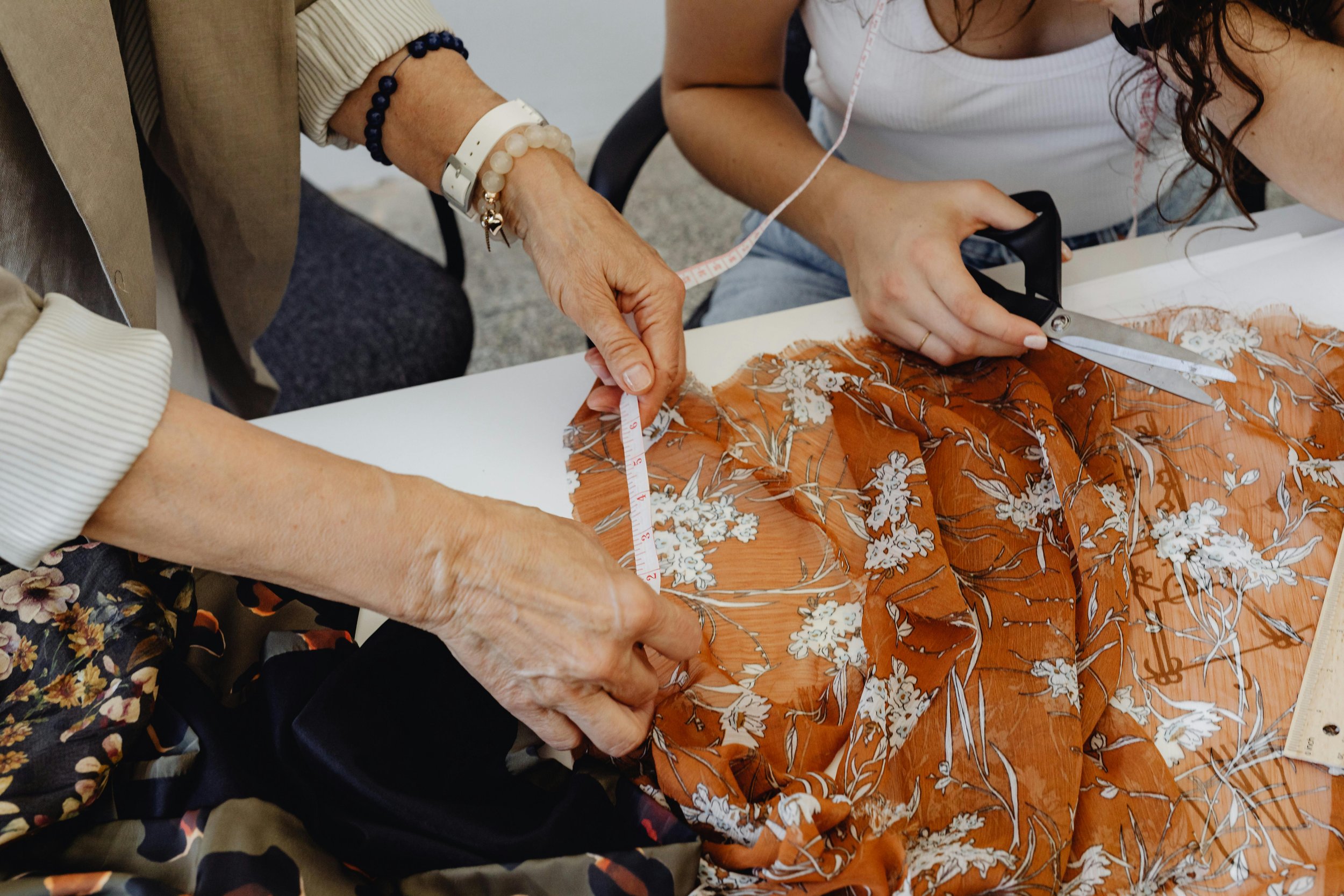
Advanced Design is a prerequisite for Tailoring I
Each student will draft flat patterns for various types of pants.
Advanced Design
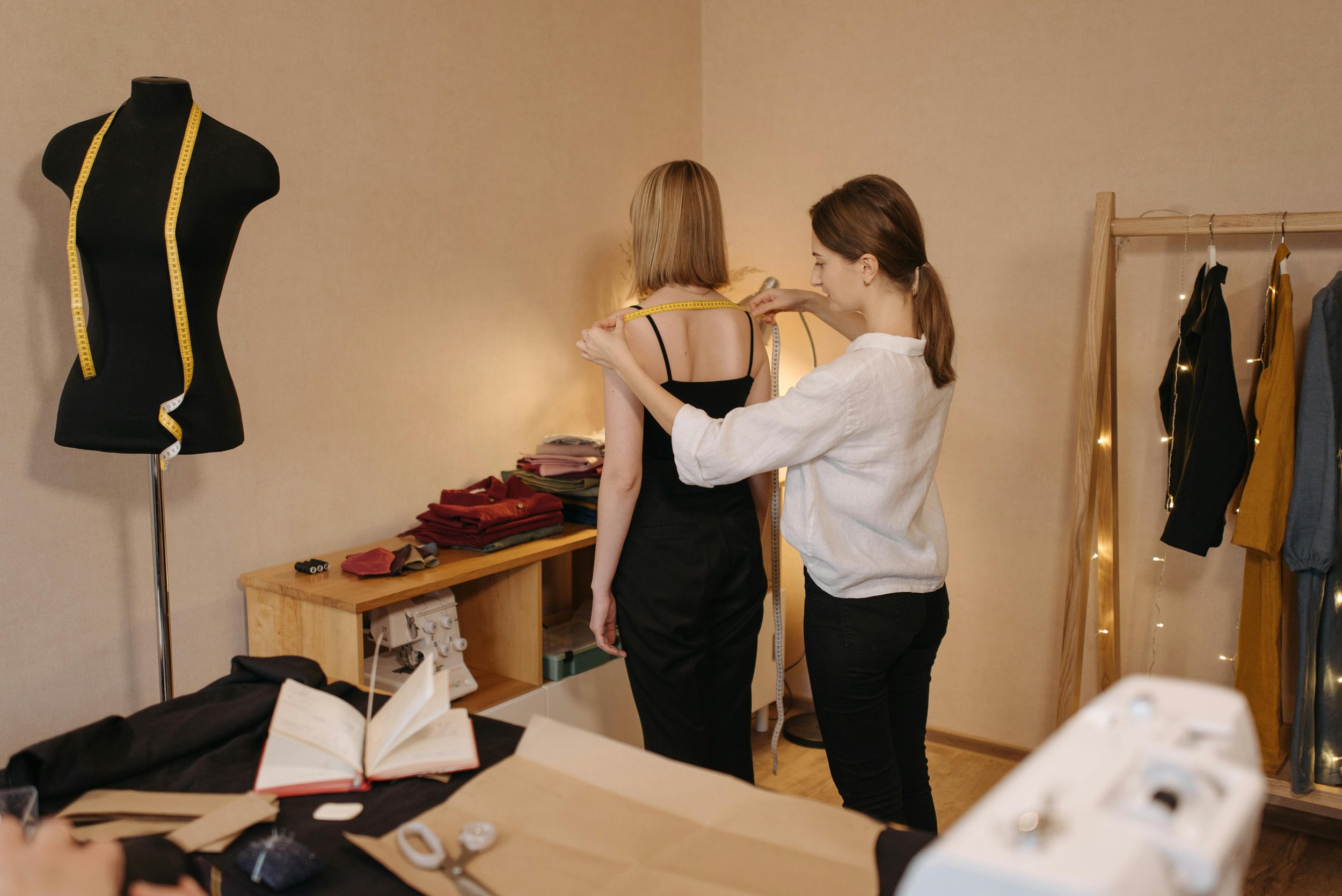
Tailoring I is a prerequisite for Couture Design I
Students will discover how to line three types of garments.
Tailoring I
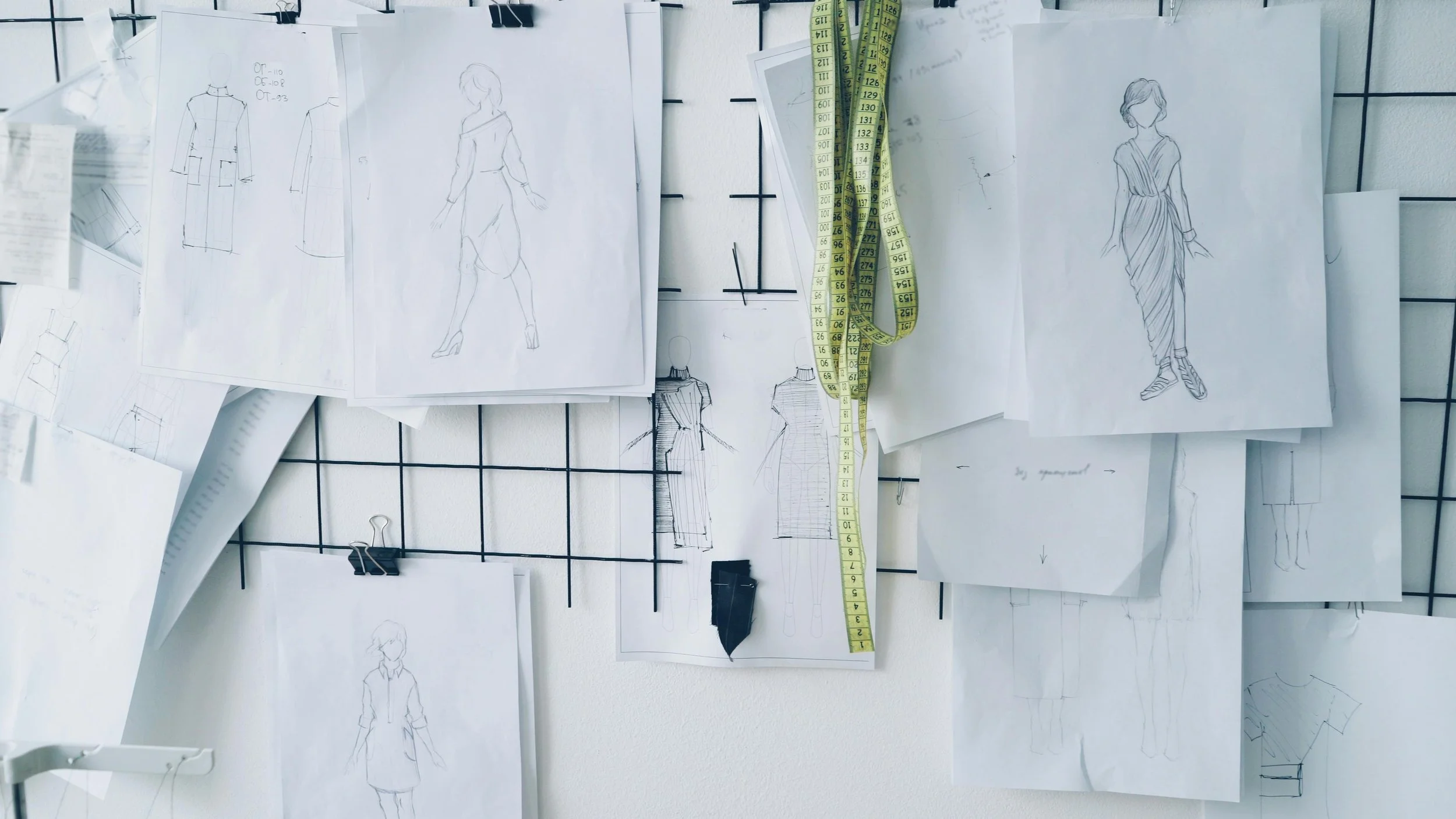
Couture Design I is a prerequisite for Couture Design II
Students will utilize additional designs in the drafting of sleeves (e.g. Shirtwaist sleeves, men’s two-piece sleeve), collars (Square and Bertha), blouses, and jackets.
Couture Design I
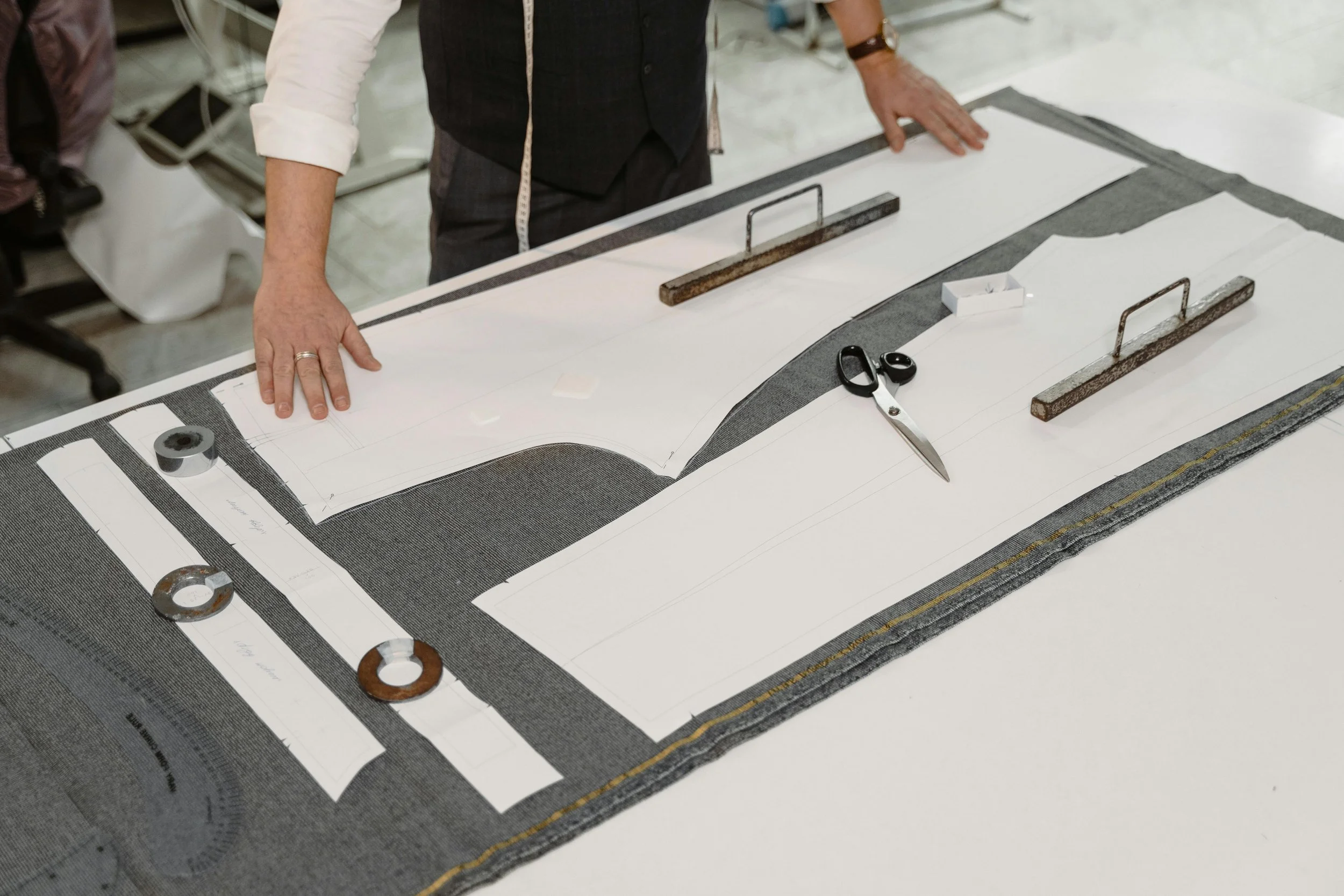
Couture Design II is a prerequisite for Couture Design III
Students will examine in more detail how to make professional jackets (Shawl Collar, Blazer, Stand-up Collar Coat) and a wrap shirt.
Couture Design II

Couture Design III is a prerequisite for Tailoring II
Students will draft and construct types of capes, bolero jacket, and a formal dress.
Couture Design III

Tailoring II is a prerequisite for Body Draping I
The student will choose and complete one fully lined suit comprised of a Lined Jacket and bottom, and one fully lined coat.
Tailoring II
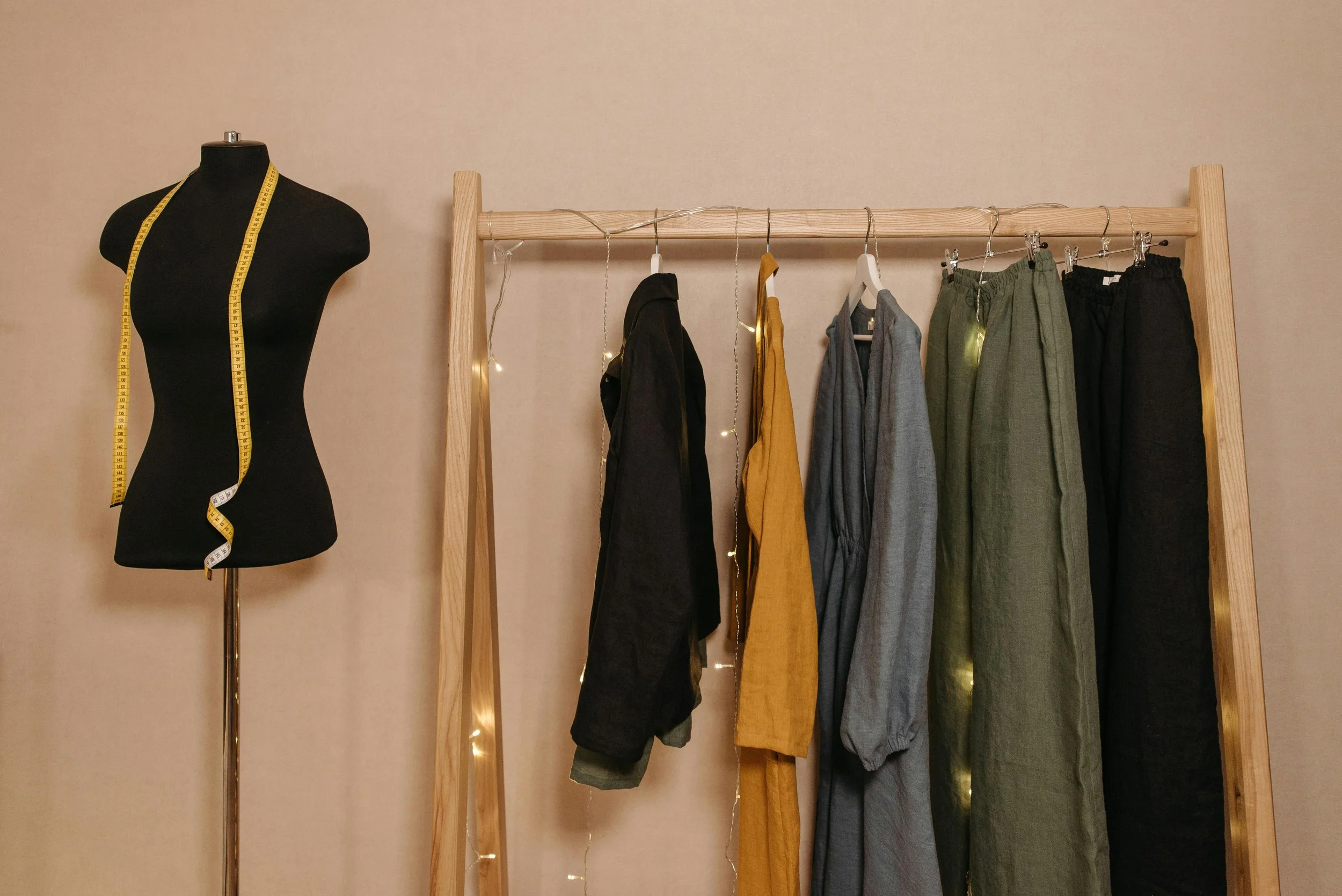
Body Draping I is a prerequisite for Body Draping II
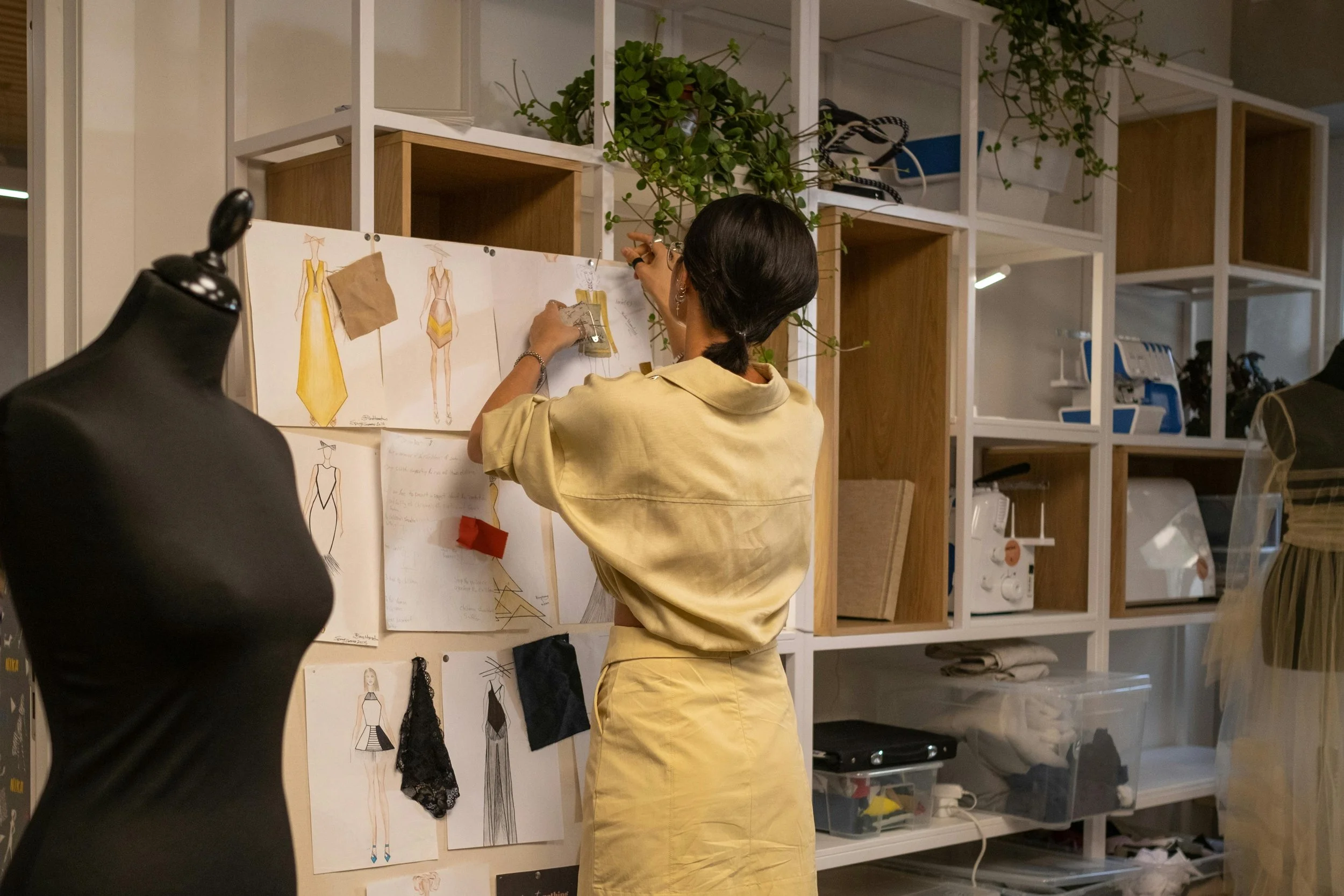
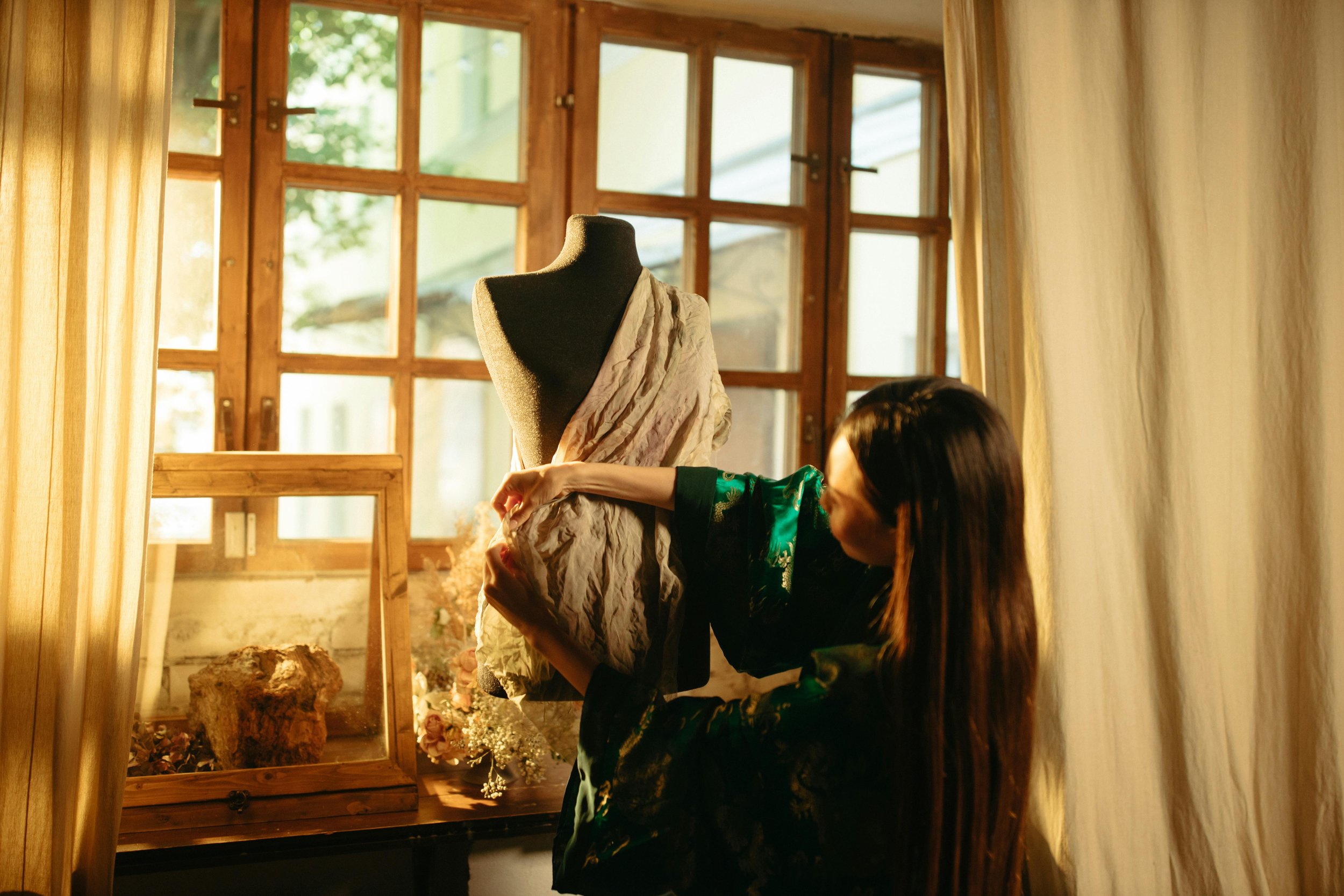
Students will design by draping on a mannequin. Students will show the process of draping in muslin, transferring that into patterns on paper, and completing their designs in mannequin size.
Body Draping I
Body Draping II is a prerequisite for Body Draping III
Draping a Bustier foundation, basic halter dress, sweet heart fitted dress, and a formal dress. Students will create a fully lined bustier and fully lined formal dress.
Body Draping II
Tailoring II is a prerequisite for Body Draping III is the last course in the program.
Students will continue to develop their line of 14 garments, apply Ruching techniques, large structured draping elements, and cut out shapes to three formal designs.
Body Draping III

In this course, students will learn specialized techniques for men’s wear, including differences in fit and tailoring. By the end of the course, each student will complete a vest and a pair of slacks.
Men’s Wear I
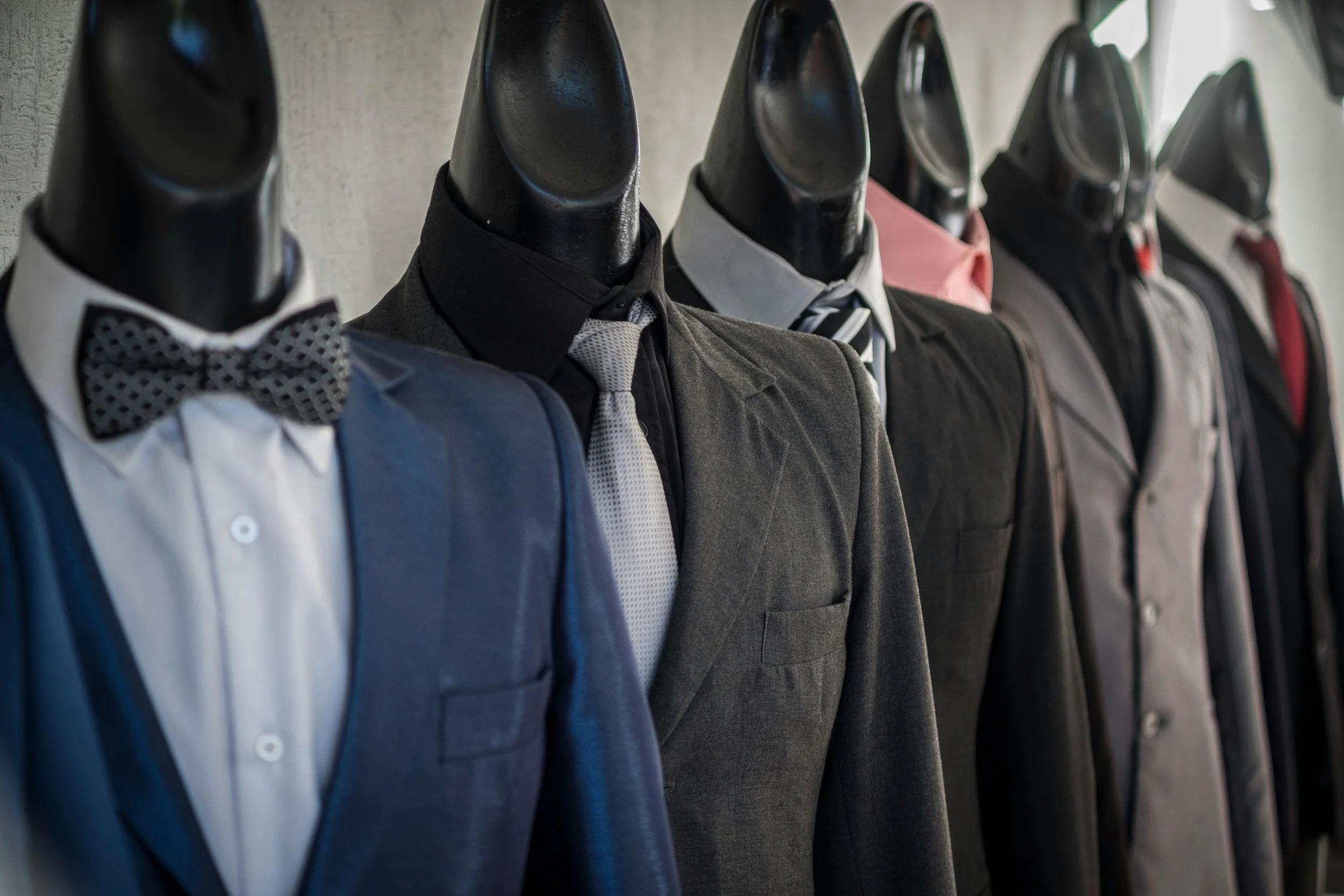
In this course, students will learn specialized techniques for men’s wear, including differences in fit and tailoring. By the end of the course, each student will complete a tuxedo jacket and a tuxedo shirt.
Men’s Wear II

Bridal is a 40-clock-hour course in the Fashion Study Program. In this course, students will analyze designs created by Jamileh Kamran and other alumni designers for inspiration, and then create a wedding gown based on their own original design.
Bridal
Our Electives
Students examine different costuming techniques for dying fabrics, making hats, making basic props, adjustments to garments for quick changes, and weathering.
Costume Design
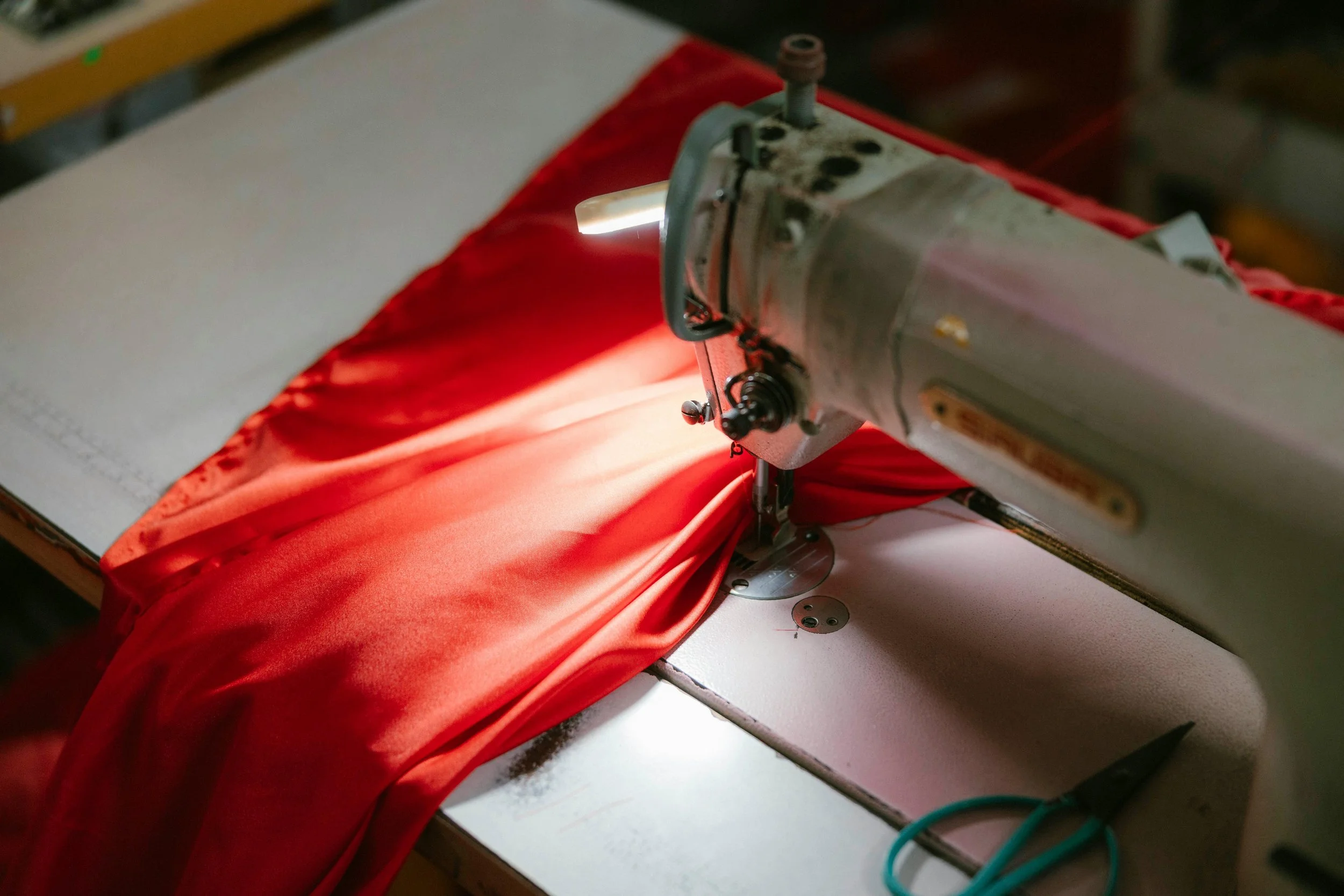
Students build samples of different types of pillows, table toppers, and drapes (e.g. Rock Pocket with Heather, Gathered Panel, Flat Panel Self Valance).